Return to Uzone News Portal

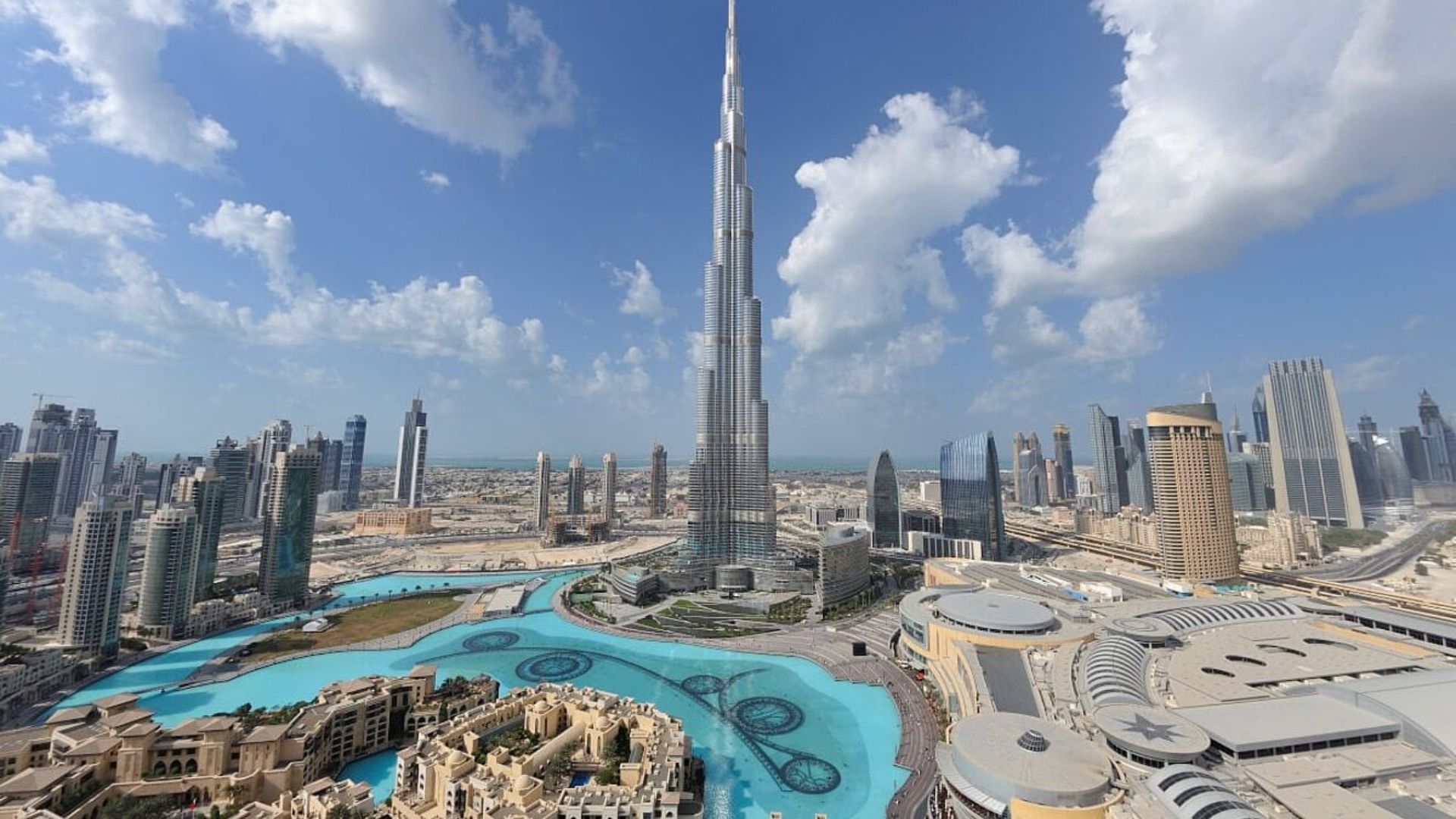
From the Empire State Building in the United States to the Burj Khalifa in Dubai, skyscrapers have become symbols of progress in the world of architecture. In today’s modern era, surrounded by advanced technology, skyscrapers continue to represent human ambition, engineering brilliance, and architectural mastery.
Year after year, developed nations compete to build structures taller than the last. Currently, the Burj Khalifa still holds the record as the tallest building in the world, standing at 828 meters (2,717 feet) with 163 floors, completed in 2010.
However, once the Jeddah Tower in Saudi Arabia is completed, the title of the world’s tallest building will no longer belong to the Burj Khalifa. Scheduled for completion in 2027, the Jeddah Tower is planned to reach 3,281 feet in height with more than 167 floors. Once finished, it will be the first building in the world to exceed one kilometer in height.
Beyond their record-breaking heights, these skyscrapers are not just feats of engineering but also reflections of national pride and global influence. Each iconic tower tells a story of a country’s vision, resilience, and desire to leave a lasting mark on the world stage, turning city skylines into living testaments of progress and ambition.
Skyscrapers as Icons of Progress
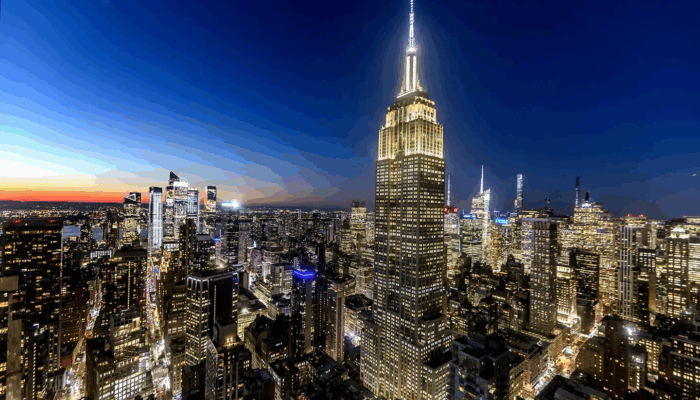
Skyscrapers are symbols of modern society, reflecting cultural, social, and economic changes of our time. These towering buildings have transformed cityscapes and hold a special place in the collective imagination of people.
They are testaments to human achievements in architecture and engineering, constantly pushing the boundaries of design, materials, and construction methods.
Their remarkable height and unique designs captivate architects and engineers, motivating them to keep innovating. Each new skyscraper demonstrates human intelligence and our ability to create in an ever-changing world.
Skyscrapers have become an inseparable part of major cities across the globe. More than just buildings, they are landmarks that shape the identity of a city. Skyscrapers often symbolize success and economic power.
In many cities, the number of skyscrapers in business districts reflects how influential and powerful that city is, both domestically and internationally. A high concentration of tall buildings often signals a thriving economy that attracts businesses and investors.
For instance, the Eiffel Tower in Paris, the Empire State Building in New York, the Burj Khalifa in Dubai, and the Petronas Towers in Kuala Lumpur have become iconic landmarks of their cities. These buildings draw countless tourists and frequently appear in photographs, postcards, and artworks, further reinforcing their cultural significance.
Innovation in Design and Technology
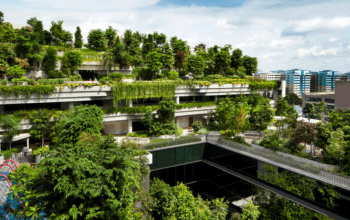
Building skyscrapers in the future is no longer just about height, but about harmonizing with the environment. They must adopt eco-friendly principles to minimize negative impacts while improving urban quality of life. A key factor in achieving this lies in the use of sustainable construction materials.
While skyscraper construction has traditionally relied on concrete, steel, and glass, the production and processing of these materials often result in significant environmental impacts—from pollution to high energy consumption.
Research shows that skyscrapers produce 140% more total emissions than areas with shorter buildings housing the same population. This does not include the fact that buildings consume around 40% of energy, 25% of water, and 40% of natural resources globally. Construction processes themselves also generate significant waste and pollution.
The construction industry is undergoing a transformation toward greener practices, with sustainable innovation at its core. Alternative materials are emerging: self-healing concrete that extends a building’s lifespan, recycled steel that reduces emissions, and Cross-Laminated Timber (CLT) that makes use of smaller trees.
Additionally, green roofs help reduce the urban heat island effect and manage rainwater, while recycled plastics turn waste into lightweight, versatile building materials. Finally, photovoltaic (PV) glass allows skyscrapers to generate their own clean energy, significantly cutting carbon footprints and promoting a more sustainable future.