Return to Uzone News Portal

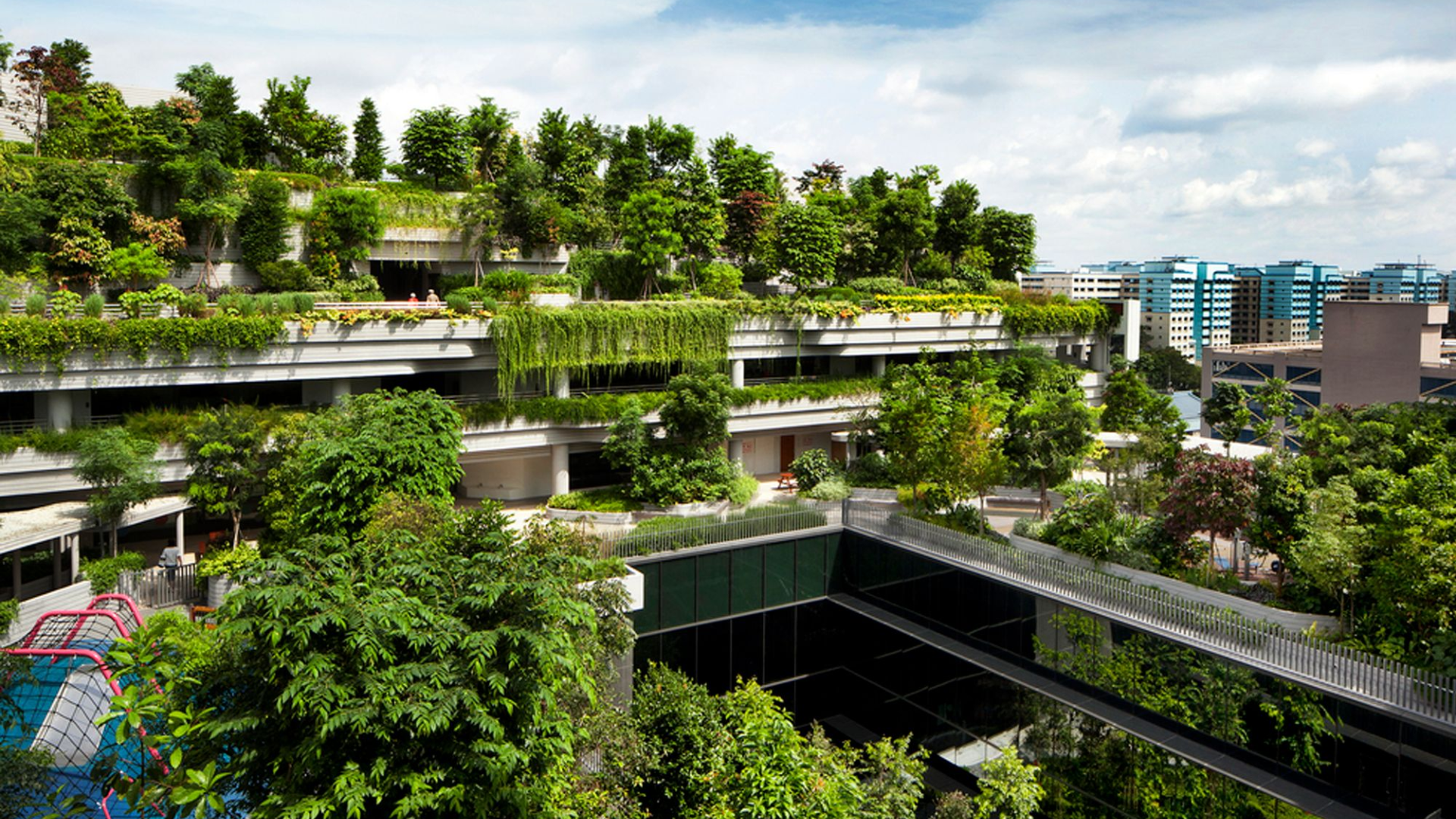
Innovation and technological advancements continue to drive the world of architecture forward. Emerging trends and technologies are reshaping the industry, offering new possibilities and opportunities.
Most importantly, with the growing awareness of environmental issues, sustainable and eco-friendly design will take the spotlight. Architects are beginning to use renewable materials, energy-efficient systems, and green technologies to create environmentally friendly buildings.
From the consumer side, the demand for flexible and adaptive spaces continues to rise. This shift is driven by lifestyle changes, work patterns, and technological advancements. In response, designers are constantly exploring innovative solutions to create multifunctional spaces that can easily adapt to various needs and activities.
The Role of Materials in Modern Architecture
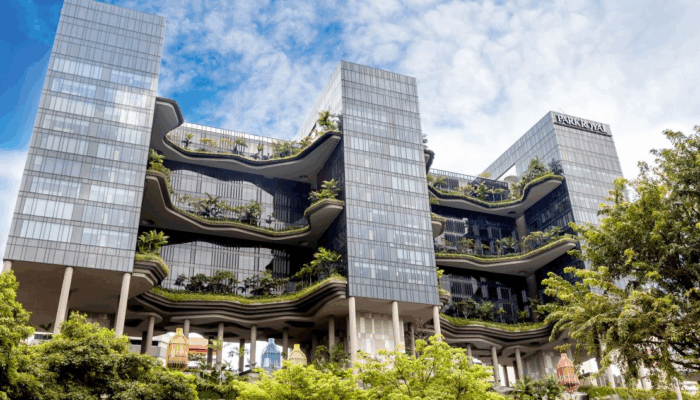
Today, architects and designers around the world are focusing on eco-friendly or green architecture. They are seeking new methods and building materials that not only ensure strength and style but also help protect the environment.
The importance of green architecture is growing due to climate change and the energy crisis. Architects are now required to design buildings that adapt to the environment rather than harm it. The main goal is to reduce carbon footprints and minimize the negative impact of construction on nature.
For example, they are using materials such as bamboo and even nanomaterials at the molecular level. The variety of building materials is expanding, opening up many opportunities to create sustainable, environmentally conscious buildings. In short, sustainability has become a crucial topic in modern architecture.
The Advantages of Bamboo for Architects
Bamboo has become one of the favorite materials for environmentally conscious architects, and for good reason. Bamboo offers three key advantages that make it truly exceptional:
Strong and Flexible: Despite its lightweight appearance, bamboo is as strong as steel, making it suitable as a structural element in solid buildings. Its flexibility also allows architects to experiment with unique shapes and designs.
Eco-Friendly: Bamboo grows very quickly and can be easily replenished. This makes it an abundant resource that won’t run out soon. Using bamboo reduces reliance on other environmentally harmful materials.
Versatile and Aesthetic: Bamboo can be used for many purposes, from main building frames and walls to floors and furniture. Beyond functionality, it also has a natural aesthetic appeal. Its warm and organic look enhances modern and unique architectural designs.
No wonder bamboo is often the first choice for projects that aim to combine function, aesthetics, and sustainability.
The Role of Ceramics and Porcelain for Architects
Ceramics and porcelain are no longer limited to dishes or tiles. Thanks to technological advancements, these materials are now a top choice in modern architecture, especially for sustainable buildings.
Today’s ceramics and porcelain are stronger, lighter, and contribute to energy efficiency due to their excellent heat resistance. They are also durable and low-maintenance, making them ideal for long-lasting, eco-friendly projects.
With all these advantages, architects are increasingly inspired to design innovatively using these versatile materials. They are not only strong and efficient but also adaptable to different designs, pushing innovation in the architectural field.
The Future of Eco-Friendly Buildings with Nanomaterials
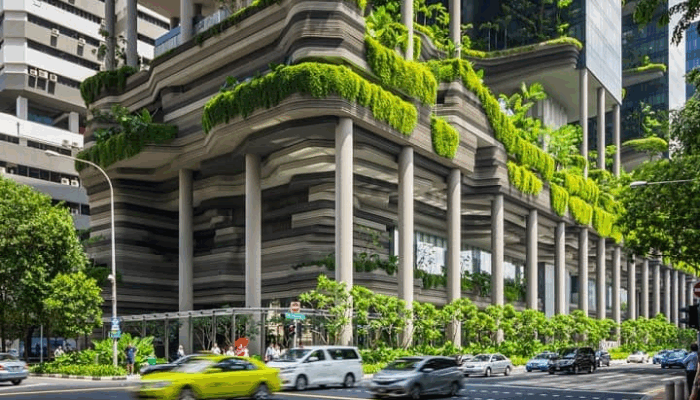
Nanomaterials are engineered with advanced technology at the molecular and atomic scale. Despite their tiny size, they offer extraordinary capabilities that can make buildings more sustainable.
Imagine paint that cleans itself or glass coatings that improve energy efficiency, these are just a few applications of nanomaterials. They can also enhance insulation, strengthen building structures, and even purify the air.
With such benefits, nanomaterials are becoming a key element in the future of green buildings. As research in this field continues to progress, we can expect even more groundbreaking innovations that will revolutionize the way we build.