Return to Uzone News Portal

The modern architectural landscape is marked by buildings that blend innovation, functionality, and sustainability. Each structure reflects how people live, work, and connect with their surroundings.
From skyscrapers, innovative housing, and smart homes to flyovers and urban tunnels, modern or architecture emphasizes sustainability by embracing new materials that can easily adapt to the ever-changing needs of society.
Characteristics of Modern Architecture

Simplicity in modern architecture is characterized by clean lines and geometric forms such as rectangles and open floor plans. Emphasizing function and space efficiency as seen in multifunctional office buildings.
In addition, modern architecture integrates advanced technologies such as smart home systems, energy-saving installations, and intelligent sensors to support sustainability through the use of recycled materials and passive solar design.
The use of innovative materials like glass, steel, and concrete further enhances these characteristics, with transparent façades and exposed structural components becoming distinctive features.
When Bridges, Museums, and Stadiums Become City Landmarks
In modern architecture, bridges, museums, and stadiums become city landmarks thanks to their unique designs, functional value, and symbolic meaning. Striking designs, such as the shell-like roof of the Sydney Opera House or the liftable Tower Bridge, make these structures not only functional but also visually captivating.
On the other hand, city landmarks are often massive or grand in scale, making them dominant and easily recognizable from a distance. They are typically located in strategic and accessible places, often in city centers or near major transportation hubs.
This accessibility encourages more people to visit and interact with the buildings. Their roles in transportation, culture, or community events help foster public pride and attract tourists. By offering iconic experiences, these structures strengthen a city’s identity.
Bridges: Connecting Function and Art
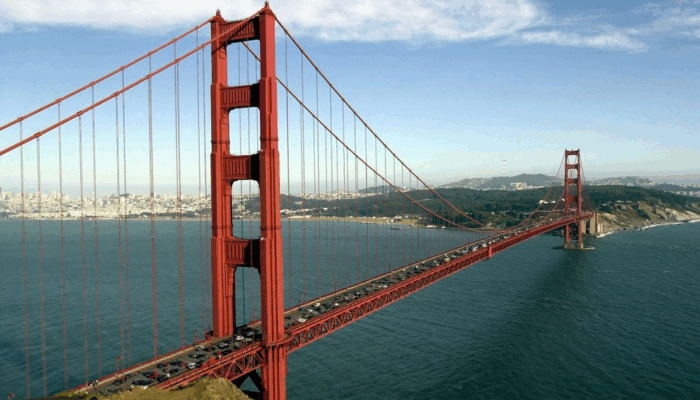
Bridges play many important roles. Their primary function is as infrastructure that facilitates the daily movement of hundreds of thousands of people. However, bridges can also serve as stunning works of architectural art, cultural icons, and tourist attractions.
Beyond being physical connectors between two different areas, bridges also act as social connectors, enabling trade and human interaction. At times, they carry emotional significance, becoming powerful symbols that remind us of our identity or place of origin.
The Golden Gate Bridge in San Francisco, the Millau Viaduct in France, and the Helix Bridge in Singapore are examples of iconic bridges that serve not only as infrastructure but also as global attractions. The Golden Gate Bridge is renowned for its distinctive color and dramatic silhouette above the San Francisco Bay.
Meanwhile, the Millau Viaduct impresses with its towering pylons, making it one of the tallest bridges in the world. In Asia, Singapore’s Helix Bridge stands out with its DNA-inspired architectural design, serving both as a connector and as a modern icon of the nation.
Museums: Where Culture Meets Architecture
Modern museums are cultural buildings that captivate visitors with striking exterior and interior designs. In museums, function and form are closely intertwined to create architectural masterpieces that provide ideal spaces for diverse exhibitions.
Today, more and more modern museums are being established. This trend is driven by private collectors or corporations who want to showcase their collections in a professional way and view museums as a means of communicating with the public.
For example, BMW World in Munich has attracted more than 20 million visitors in the past decade. Another example is the Ritter Museum in Waldenbuch, Germany, dedicated to square-themed art collections. Appropriately, the museum itself was built in a square shape measuring 44 by 44 meters.
Stadiums: The New Cathedrals of Cities
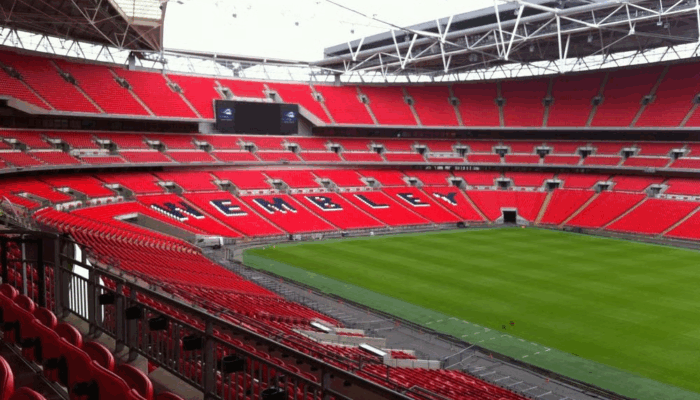
Sports arenas have always been gathering places for fans, where memories are made and rivalries come alive. However, in the 21st century, the role of stadiums and arenas has expanded far beyond hosting matches.
Today, sports venues are being redesigned as bustling hubs of entertainment, shopping, and dining throughout the year. This shift transforms multifunctional facilities into dynamic economic centers and essential parts of communities.
For instance, Wembley Stadium in London is surrounded by shopping areas and restaurants and also serves as a venue for concerts and community events. In Green Bay, United States, the Titletown District next to Lambeau Field offers hotels, parks, and workspaces, making it a recreational hub for both fans and local residents all year round.